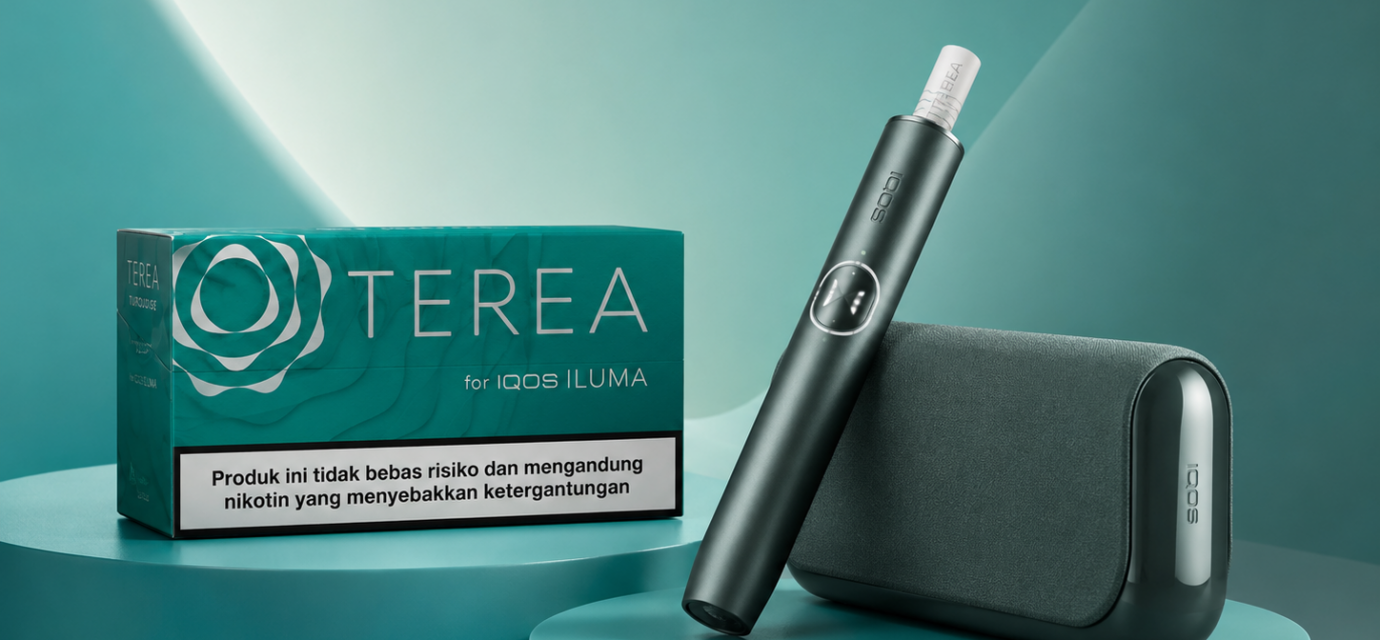
Original TEREA Sticks: How Smartcore Engineering Changes the Everyday IQOS ILUMA Experience
The defining innovation behind TEREA is not immediately visible from the outside. These heated-tobacco sticks were developed specifically around the IQOS ILUMA induction architecture, moving the heating element from the reusable holder into the consumable itself. For consumers examining how the newer system differs from traditional blade-based generations, оригинальные TEREA стики are best understood as an engineered component of the ILUMA platform rather than simply another tobacco refill. The internal metal element, tobacco preparation, airflow chamber, cooling section, seals, and filter are designed to work together as one controlled delivery system.
That distinction becomes increasingly important during everyday use. Earlier heated-tobacco devices depended on a physical blade entering the tobacco material, creating a direct mechanical relationship between the holder and every stick. TEREA takes a different route: the holder generates an electromagnetic field, while the metal heating element inside the stick responds to it. The result is a blade-free interface that reduces direct tobacco contact with the reusable hardware and substantially simplifies one of the most repetitive maintenance routines associated with previous generations.
The Hidden Metal Core Is the Key to TEREA’s Operating Logic
At the center of every TEREA stick is a metal heating element coated with stainless steel and positioned within the tobacco section. When a compatible IQOS ILUMA holder is activated, its induction system creates an electromagnetic field around the stick. The internal metal element responds to that field and heats the surrounding tobacco from within.
From a consumer-electronics perspective, this is a clever redistribution of components. The reusable device contains the electronics, battery, control system, and induction hardware, while the consumable carries the element that actually transfers heat into the tobacco. Instead of making one reusable component perform every part of the heating process, the system divides the job between the device and the stick.
This architecture also explains the strict compatibility requirements. TEREA was engineered for IQOS ILUMA and its induction-based heating system. Older blade-oriented IQOS devices use a different mechanism, so their consumables cannot simply be treated as interchangeable with TEREA.
Blade-Free Construction Dramatically Simplifies the Maintenance Routine
For many users, the most convincing benefit of the new architecture is not electromagnetic theory but the amount of everyday attention it removes. A physical heating blade repeatedly enters the tobacco section in older systems, and that interaction can leave particles around the heating chamber. Regular cleaning consequently becomes part of the ownership routine.
- The heating element is enclosed inside the TEREA stick rather than exposed in the reusable holder.
- The front seal is designed to limit tobacco residue entering the holder.
- The airflow chamber controls the movement of aerosol through the stick.
- The cooling section manages aerosol temperature before it reaches the mouthpiece.
- The protective wrap and filter contribute to a more contained consumable structure.
IQOS specifically describes the current ILUMA range as blade-free and states that cleaning sticks are intended for older bladed devices rather than the newer ILUMA architecture. That does not mean an ILUMA device should be neglected entirely: exterior surfaces, charging contacts, and general device hygiene still deserve sensible care. The important lifestyle improvement is that the recurring internal blade-cleaning routine is massively simplified.
Removing the Exposed Blade Changes the Mechanical Reliability Equation
A heating blade is a small component, but it performs a demanding job. It must repeatedly enter the tobacco stick, remain correctly positioned during heating, and tolerate hundreds of insertion cycles. Because it physically interacts with the tobacco material, it is also exposed to particles and potential accidental contact.
ILUMA eliminates that particular mechanical interface. The reusable holder no longer contains a narrow heating blade that enters the consumable. Instead, the metal heating element remains enclosed within each TEREA stick. This reduces the number of exposed heating components involved in normal operation and removes one category of mechanical interaction that existed in legacy designs.
That should not be confused with a promise of unlimited durability. Batteries, electronics, charging components, and exterior materials can still experience normal wear or accidental damage. The more defensible reliability benefit is architectural: one of the most delicate and residue-exposed components of earlier systems is no longer part of the reusable holder.
Specialized Compatibility Is the Trade-Off for Better Integration
The closer relationship between consumable and device naturally creates a more specialized ecosystem. TEREA sticks are designed for IQOS ILUMA devices using SMARTCORE INDUCTION SYSTEM™. They should not be used with earlier blade-based IQOS generations, because those devices do not provide the same induction mechanism.
For buyers, this is an important distinction. The TEREA stick should be regarded as a purpose-built component whose internal geometry and metal element are matched to the heating system. The benefit is a more predictable interaction between hardware and consumable, but the trade-off is that compatibility must be checked carefully before purchasing sticks for a particular IQOS generation.
Inside the Stick, Airflow and Cooling Shape the Sensory Experience
Heat alone does not determine how a tobacco product feels. TEREA’s internal construction contains several additional components that influence the final draw. Official IQOS descriptions identify a specially prepared tobacco blend, metal heating element, front seal, airflow chamber, cooling plug, protective wrap, and filter as distinct parts of the stick.
The airflow chamber is particularly significant because it helps regulate how much aerosol travels through the stick. That affects draw resistance, perceived density, and the speed at which aromatic compounds reach the user. The cooling plug, made from cellulose acetate, provides another layer of temperature management before the aerosol reaches the mouthpiece.
These details reveal an important principle of modern heated-tobacco design: flavor is partly an engineering problem. The tobacco blend supplies the raw aromatic character, but the heating profile, airflow volume, cooling rate, and internal geometry determine how much of that character the consumer actually perceives.
TEREA’s Tobacco Formulations Create a Deliberately Structured Flavor Palette
The TEREA range offers substantially more variety than a single generic tobacco formulation. Official flavor descriptions span balanced and mellow profiles through richer roasted blends, woody and nutty characteristics, herbal notes, cooling sensations, citrus accents, berries, and capsule-based aromatic combinations. Availability differs by market, but the underlying strategy is consistent: the same induction platform can deliver distinctly different sensory profiles through different consumables.
- Amber combines toasted tobacco with lightly scented woody and nutty aromatic notes.
- Yellow presents a mellow and aromatic tobacco character with zesty nuances.
- Silver uses balanced toasted tobacco refined with light herbal aromatic notes.
- Teak emphasizes a rounded roasted tobacco character with creamy and nutty associations.
- Sienna combines rounded toasted tobacco with woody nuances and subtle tea-like notes.
- Turquoise adds crisp menthol cooling and zesty aromatic characteristics to lightly toasted tobacco.
- Bronze provides a richer tobacco direction accompanied by cocoa and dried-fruit nuances in markets where it is offered.
These descriptions should be treated as sensory guidance rather than absolute measurements. Flavor perception is highly individual. The same tobacco profile can appear warmer, sharper, softer, sweeter, or more aromatic depending on personal sensitivity, storage conditions, draw behavior, and expectations.
Classic Tobacco Profiles Show How Much the Aroma Can Change
Amber illustrates the more traditional side of the range, combining toasted tobacco with woody and nutty nuances. Sienna moves toward a rounded, roasted character with subtle tea-like dimensions, while Teak introduces a warmer and creamier interpretation with nutty associations. Yellow sits on the lighter side, emphasizing mellow tobacco and brighter zesty notes.
Cooling formulations such as Turquoise change the sensory balance more dramatically. The underlying tobacco remains present, but menthol and fresh aromatic notes alter the perceived temperature and finish of the session. This demonstrates how the consumable can modify the character of the experience without changing the fundamental ILUMA hardware.
For consumers, that creates a useful division of choice. Classic blends emphasize tobacco structure and depth, while fresh or aromatic variants make cooling, citrus, berry, herbal, or other sensory characteristics more prominent.
Capsule Technology Adds a Second Sensory Layer
Selected TEREA variants use capsules to introduce an additional aromatic component during the session. Depending on the formulation, these can bring fruit, berry, exotic-fruit, or cooling characteristics to the underlying tobacco profile.
The attraction of this format is that the sensory profile can change during use rather than remaining completely fixed from beginning to end. Before capsule activation, the tobacco blend provides the primary character. After activation, the additional aromatic component becomes more noticeable, creating a second phase to the session.
This gives consumers another level of personalization while keeping the same device. Someone seeking a straightforward tobacco experience can choose a classic formulation, while someone looking for more sensory variation can select a capsule-based alternative.
Induction Heating Creates a More Repeatable Thermal Environment
One of the strongest technical arguments for induction heating is repeatability. Every compatible TEREA stick contains its metal heating element in a predetermined position. The ILUMA holder generates the electromagnetic field around that known structure, creating a standardized relationship between the device and consumable.
This does not guarantee identical sensory perception in every session. Battery state, ambient conditions, storage, individual puffing behavior, and the chosen formulation all have an influence. Nevertheless, the basic thermal geometry is more controlled than a system in which a reusable blade physically enters the tobacco material each time.
That consistency is valuable from a flavor-development perspective. The tobacco blend can be formulated around a defined heating location and airflow pathway, while the device can deliver energy through the same induction principle from one compatible stick to the next.
The Internal Core Helps Create a Cleaner, More Controlled Delivery
Because TEREA heats tobacco rather than burning it, the operating process differs fundamentally from conventional cigarette combustion. There is no ash-producing burning process, while the internal architecture is designed to control how the resulting aerosol travels through the stick.
The absence of combustion does not mean the product is odorless. TEREA still produces tobacco-containing aerosol, and aromatic formulations can have distinct ambient characteristics. However, compared with conventional cigarette smoke, the surrounding aroma can be significantly less persistent. The exact impression depends on ventilation, room size, fabrics, the selected flavor, and individual sensitivity.
For lifestyle use, this makes a reduced aroma footprint a more accurate description than an absolute claim about odor. Cooling and fruit-oriented variants can produce a noticeably different ambient character from richer roasted tobacco formulations, while the overall experience remains influenced by the environment in which the product is used.
Why the Stick’s Internal Structure Matters After Hundreds of Sessions
The small components inside TEREA become more meaningful when viewed across long-term ownership. The front seal helps contain tobacco material. The airflow chamber controls aerosol movement. The cooling plug manages temperature. The protective wrap provides another layer between the consumable and the holder. The internal metal element makes induction heating possible.
None of these parts alone transforms the user experience. Together, they create a more contained and predictable consumable. The user does not need to interact with the heating mechanism directly, and the reusable holder is less exposed to tobacco material during normal operation.
That cumulative reduction in friction is where the engineering becomes a practical lifestyle benefit. A maintenance step eliminated once may seem insignificant, but removing it from hundreds of repeated sessions can make the ownership experience noticeably easier.
The Real ILUMA Advantage Is a Simpler Chain of Everyday Interactions
TEREA’s design is compelling because the major improvements reinforce one another. Moving the metal heating element into the stick makes blade-free operation possible. Blade-free operation reduces mechanical exposure and residue concerns. The internal seal and filter construction help keep the holder cleaner. Airflow and cooling components contribute to controlled sensory delivery, while the range of tobacco formulations gives users substantial flavor choice.
There are still important limitations. TEREA contains nicotine, which is addictive, and heated-tobacco products are not risk-free. The sticks should not be swallowed or dismantled because they contain a metal component, and they should be kept away from children. Compatibility is also specific to the ILUMA ecosystem, so consumers should verify their device generation before purchasing.
Viewed strictly as consumer technology, however, TEREA demonstrates how moving one critical component can reshape an entire product experience. By transferring the heating element from the reusable holder into the consumable, the system removes an exposed blade, reduces routine maintenance, simplifies the mechanical interface, and gives engineers much greater control over the relationship between heat, tobacco, airflow, cooling, and aroma. The result is not a maintenance-free or risk-free product, but a highly integrated heated-tobacco ecosystem with a substantially simpler daily workflow and a more consistent sensory delivery than the blade-based architecture it replaces.